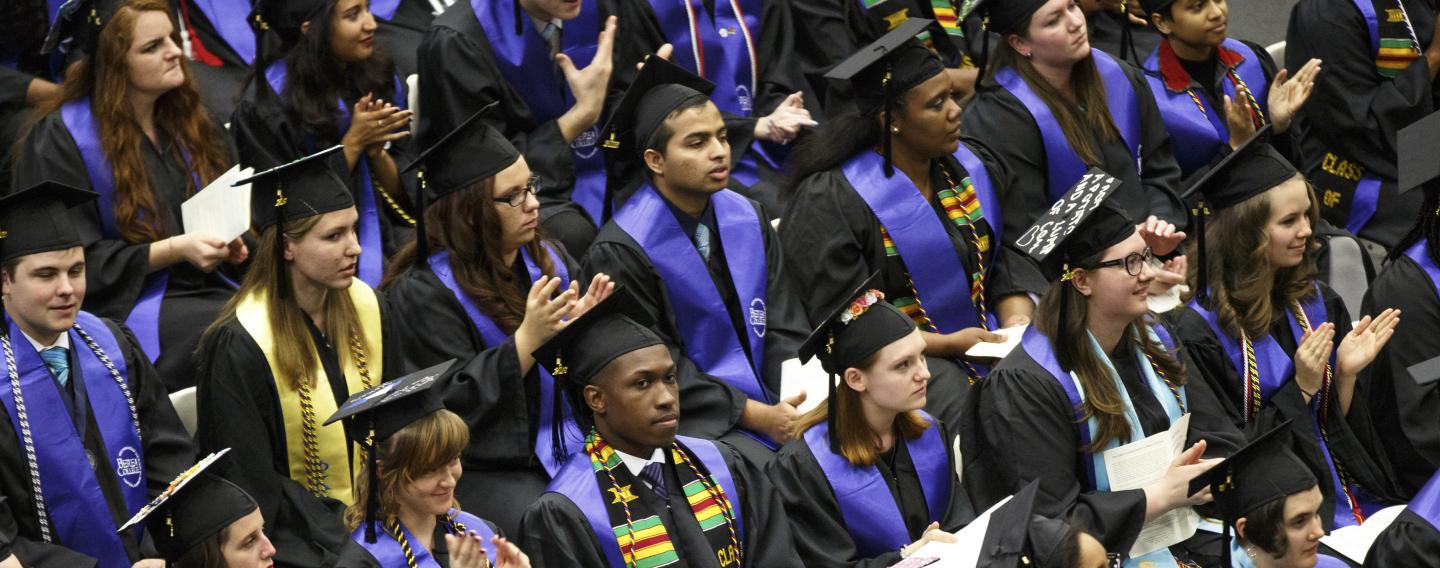
The Liberal Arts
Berea College commits itself to offer a high-quality liberal arts education that engages students as they pursue their personal, academic, and professional goals.
The span of the liberal arts is extensive, including literature, philosophy, and social sciences, in addition to mathematics, physical sciences and everything in between.
The liberal arts allows an avenue by which we can better understand the world we live in by delving into the central concerns of humanity. Study of the liberal arts pushes students to answer not just what something is, but why it is. In doing so, they develop the critical thinking necessary to address the toughest questions. Studying the liberal arts takes one from poetry, which explores meaning, to science, which deals with data, measurements, and observation.
Walt Whitman admired and respected science, as much as the well and liberally educated scientist appreciates poetry and its power to create and convey meaning. So, the essence of the liberal arts can be illuminated by how a great poet like Walt Whitman would think about science. Consider this call to critical, independent inquiry and thought, from Leaves of Grass:
Past and Present
In 1855, when John Fee founded the first interracial and coeducational college in the South, he did so understanding that students exposed to broad perspectives on the world would benefit both morally and intellectually. They would come to understand the kinship of all people and to challenge the predominant viewpoints of their world. The liberal arts, he believed, provided the skills of critical thinking, problem solving, and communication.
It was radical at the time and radical now. Berea has grown beyond the classic liberal arts to include STEM-N education (science, technology, engineering, math and nursing), linking them as well to the study of other disciplines with immediate, practical and vocational application, including Education, Business, Agriculture and Technology.
Moving Forward
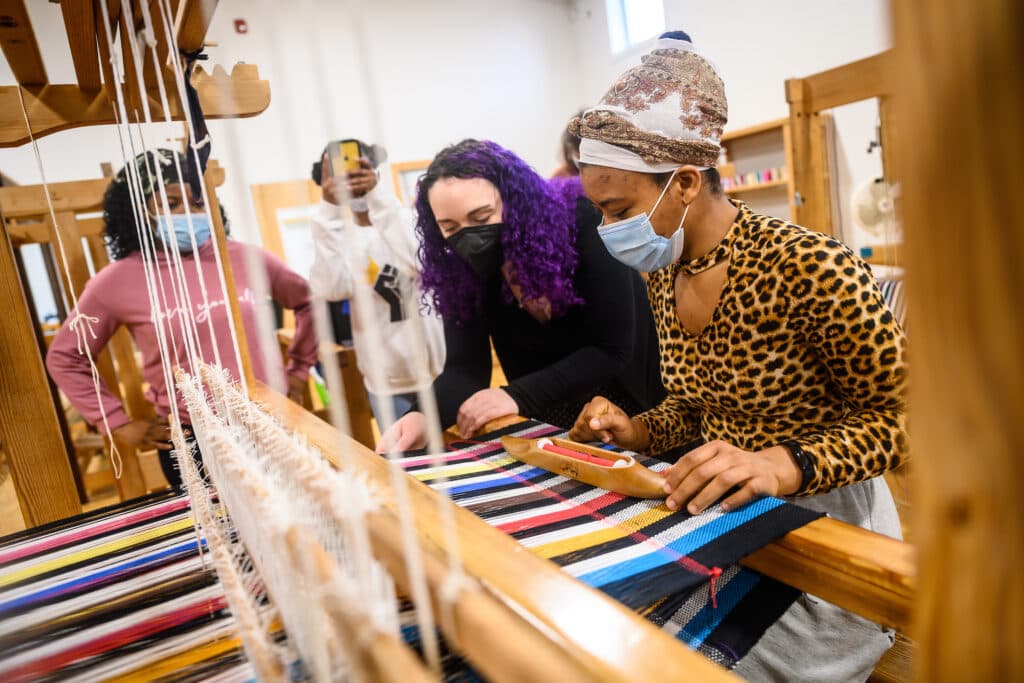
The future of the liberal arts at Berea includes both the development of critical thinking and practical application, but it also includes creating an even more accessible and success-oriented educational environment in the 21st century.
The success of a liberal arts education depends upon the development of skills, attitudes, and “habits of mind” as much as by the acquisition of knowledge. In support of these goals, we are taking outcome-based approaches to engage our students and support their personal, academic, and professional goals. The liberal arts framework focuses on a holistic, inclusive atmosphere that cultivates the student and future professional—mind, body, and soul.
We do this by:
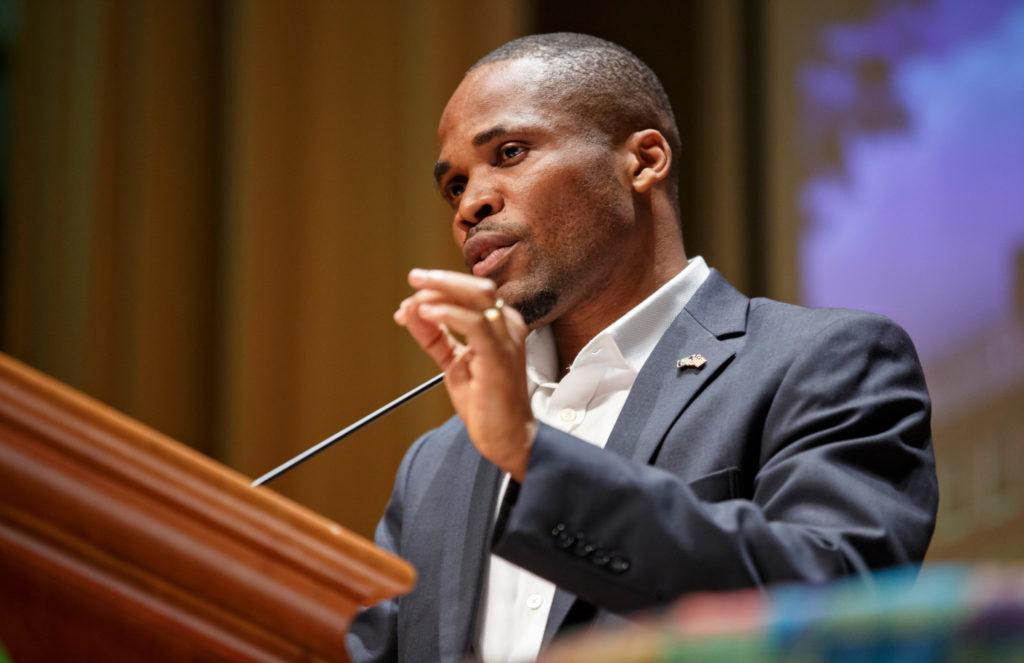
When fleeing Liberia’s civil war, young Gyude had no idea he would one day return to his home country and become its Minister of Public Works, directing social services, health, markets, and transportation infrastructure.
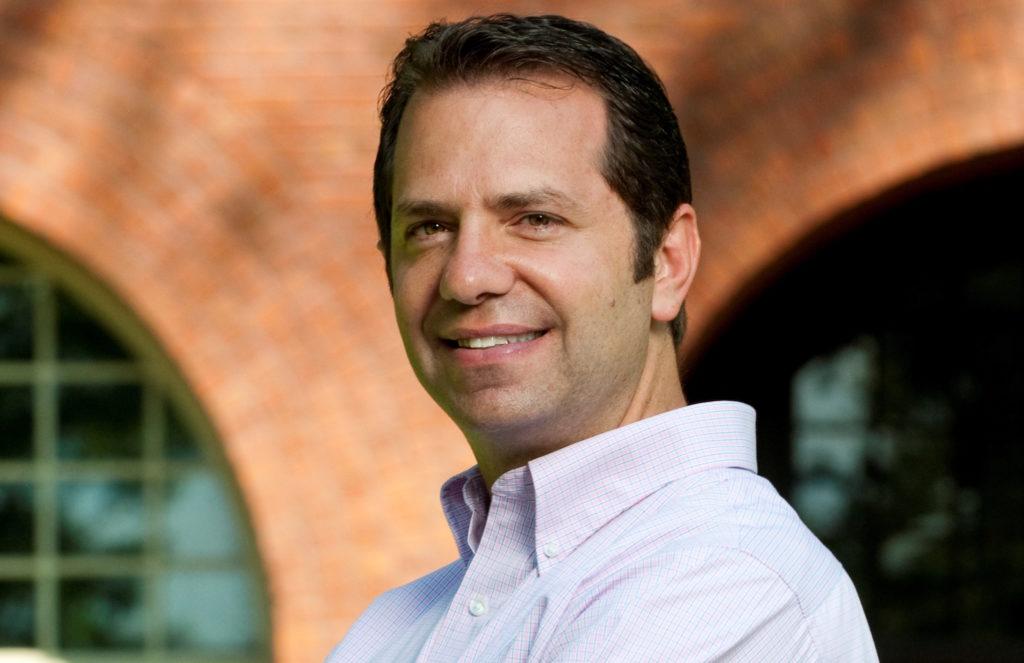
“The transformative nature of my Berea education provoked me to work in service of the College’s Great Commitments.”