More Than Hate
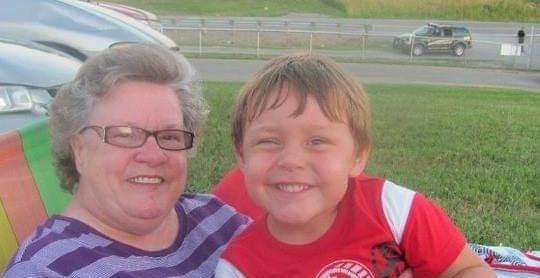
By Michael Gonzalez, Jr. Psychology Major
It’s fall of 2016, the height of election season, and tensions are high in my hometown of Elkins, West Virginia. I just started fifth grade. I want to play games and learn, but tensions surrounding the election concerning immigration were more prominent. A week or so before the election, some of my classmates took cardboard and put it around my desk, saying they had made the big, beautiful wall and would not let me leave unless I had a green card. I waited for my teacher to step in and tell the others to stop, but it never happened. Instead, I heard laughter—she thought what they were doing was funny. So in humiliation and shame, I cut out a green rectangle from construction paper and wrote my name on it. Then I handed it over to one of the other children while laughing, trying to mask the pain.
This shame of being Latino was being ingrained into my mind, and I didn’t even tell my family. The following spring semester, after Trump had won the election, the hate for me being Latino picked up. I was called “wetback” and “beaner,” told to go back where I came from, asked how construction was, and if I could mow their grass. I was called this by my peers. This harassment had been happening and continued to happen throughout my whole K-12 experience. This was because my last name is Gonzalez, and I lived in Elkins, a small town in West Virginia, where everyone at school knew my name. I wasn’t even spared when it came to my friends who thought it was funny to call me slurs and make fun of me for not being Latino enough, not knowing Spanish. However, these were small events compared to the teachers, counselors, and faculty who willingly watched and even participated in the mocking. One of these foundational events was when my grade school counselor came in to talk with me in class because I had screamed at my peers that I was a citizen after being told to go back and to swim across the border. He sat me at the front of the class and said a very simple sentence: “If you believe you're Latino, why do you care when they call you these things?” I was speechless, and he took my silence as understanding and left. That was when I stopped fighting, lost my spirit to fight, and just took the ridicule.
These experiences and many like them led me to hate and resent West Virginia. I felt vindicated every time I heard the news and community members talk about the state and use words like racists, hicks, hillbillies, white trash, and pill poppers. I felt that the hate I was receiving on an almost daily basis was all there ever would be for me. So I believed that these stereotypes were all that West Virginia would ever be.
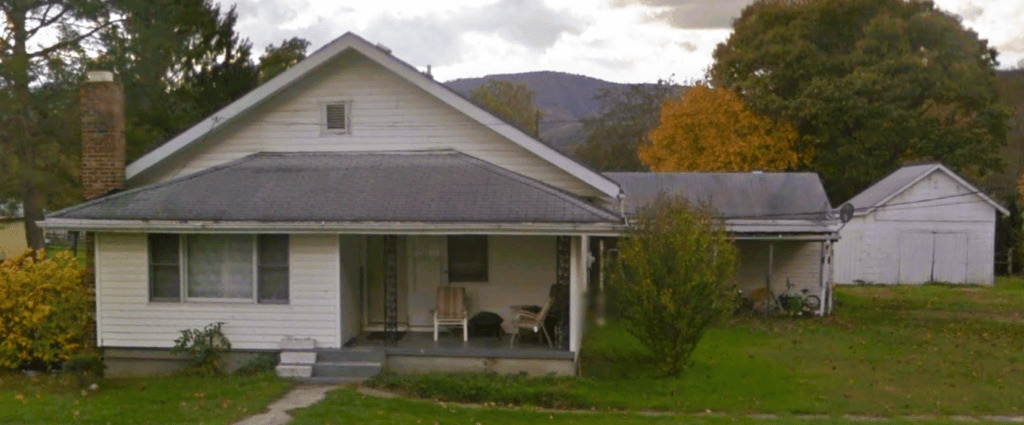
I continued to feel this way until the spring semester of my junior year of high school. I was walking with a friend on the side of the road that my grandmother's house was on, and I was complaining about life and how much West Virginia, especially Elkins, was awful. My friend then made a point that if I unilaterally believed those stereotypes and left no room for change, then my family, friends, and strangers I will never meet are all the same and couldn’t chang either. My friend continued that if what I believed is true, then I, as a West Virginian, was the same and that the hate I had for the West Virginians was also directed at me and those I cared for. This started a change in how I felt about where I lived.
I started looking at all the good, such as how the hills always felt like home, and how nice most people really are. Then I came to Berea College, where in the second semester of my freshman year, I took two classes focusing on Appalachia: Composition II with Ansel Elkins and Appalachian Literature with Chris Green and Bob Martin. They showed me how diverse the region really was and how much care and love the people of Appalachia have. I learned that even though hate within the region exists, it's not specific to the region; hate can exist anywhere and labeling it to one region completely ignores its existence elsewhere. In the composition class, we read authors like Ann Pancake, Dorothy Alison, and Gurney Norman. These readings opened my mind to the region's intellectualism and to the fact that there was more to it than I could ever have imagined. I wrote my final paper on Dorothy Alison, a writer from Appalachian South Carolina who, throughout her life, faced discrimination in the region, leading her to leave and realize that the discrimination was not confined to the region. That essay helped me to realize that Appalachia was a truly diverse place.
In my Appalachian Literature course, I came to terms with my feelings about Appalachia and realized that I wanted to stay. Through the play Ezell: Ballad of a Land Man, I realized that this self-imposed, closed-minded hatred of Appalachia was fighting against my love of home. In Ezell: Ballad of a Land Man, similar self-destructive anger came to a head when the main character finally confronts his own crisis: that in order to have money to buy back his grandfather’s land where he had grown up, he was working for a fracking company and was convincing his neighbors to sell their mineral rights, which would harm the land he loved. I realized that I had also been willing to destroy the land, people, and culture I knew in order to create a peaceful home in the mountains without any conflicts. Instead, if I wanted change and peace, I would need to fight for it, not expect it to happen without any work. I needed to stay and find people like me to create new understandings.
So now I’m working at the Loyal Jones Appalachian Center in the summer of 2026 with an entirely new view on Appalachia. I have a craving to learn the region's history, talk to more people from the region, and explore all its beauty, while also acknowledging its faults. I now see we all have a way to create change, no matter how big or small.