Learning through Action: The FREE Zion Project
With nearly 175 years behind it, Berea College knows well that a community’s history is its foundation. When the past is lost—when stories, people, and ways of life are forgotten—the future can feel impossible to imagine. Preserving that reservoir of tradition and memory is vital for a community, so that it may not only survive, but also thrive and prosper. For the past two years, a Berea initiative known as The FREE Zion Project has helped one small community in Meade County, Kentucky, to keep its legacy alive.
Zion, defined not by any town lines but rather by cultural kinship, is named for the Zion Grove Missionary Baptist Church, the beating heart of this historically Black community. Born and raised in Zion, Dr. LeAnna Luney ’16, an assistant professor of African American Studies at Berea College, has made it her mission to preserve its vibrant history for future generations.
With the help of Berea College student research associates, The FREE Zion Project is working to build a freedom school in Zion. Centered around cultural pride, the concept of a “freedom school” was developed by Black American civil rights activists in the 1960s to organize and educate their communities. Members learn about how Black people are placed in society based on their race, often motivating them to create positive change through grassroots organizing. Dr. Luney is continuing that tradition in her hometown, eager to empower its youth to understand better their lives and histories.
In July 2025, seven Berea College students participated in FREEdom Summer, an eight-week research initiative supported by Berea College’s Undergraduate Research and Creative Projects Program (URCPP), as well as the Andrew and Symerdar Baskin Student Research Fund. Students sought to build a digital archive and create class materials for the Zion Freedom School that will serve Zion’s future generations.
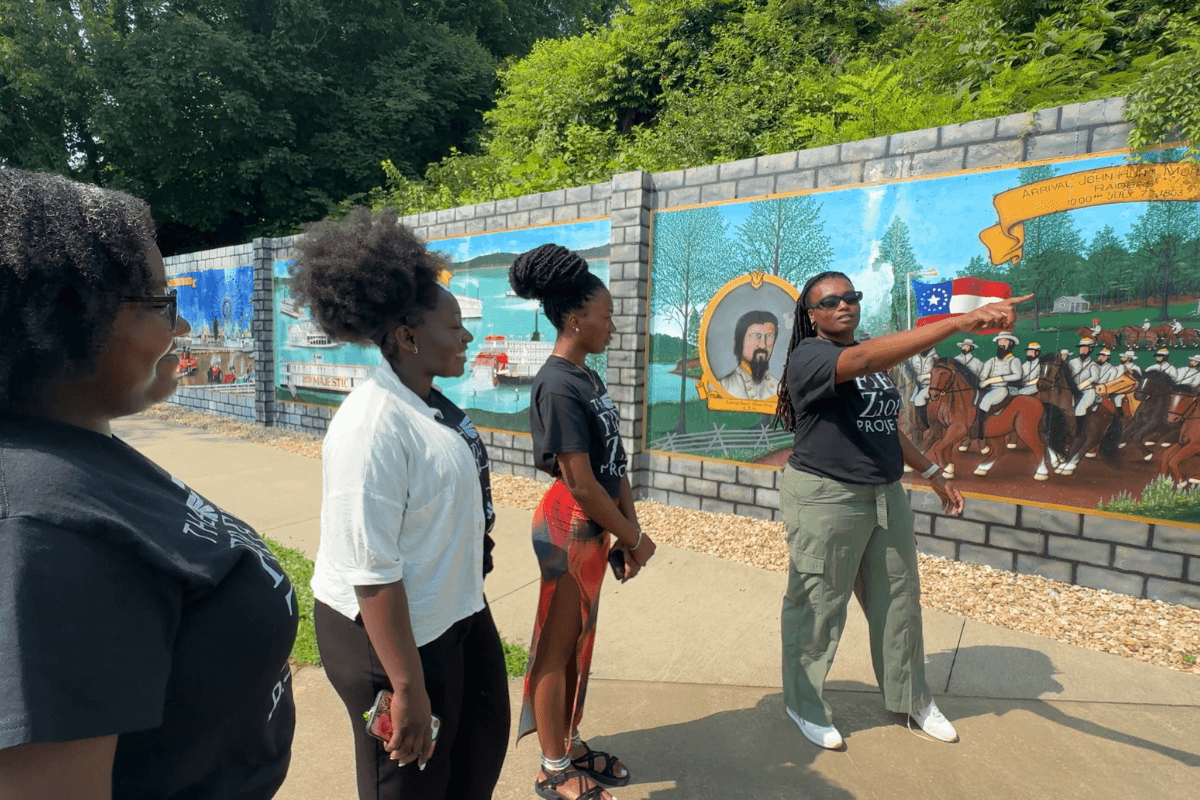
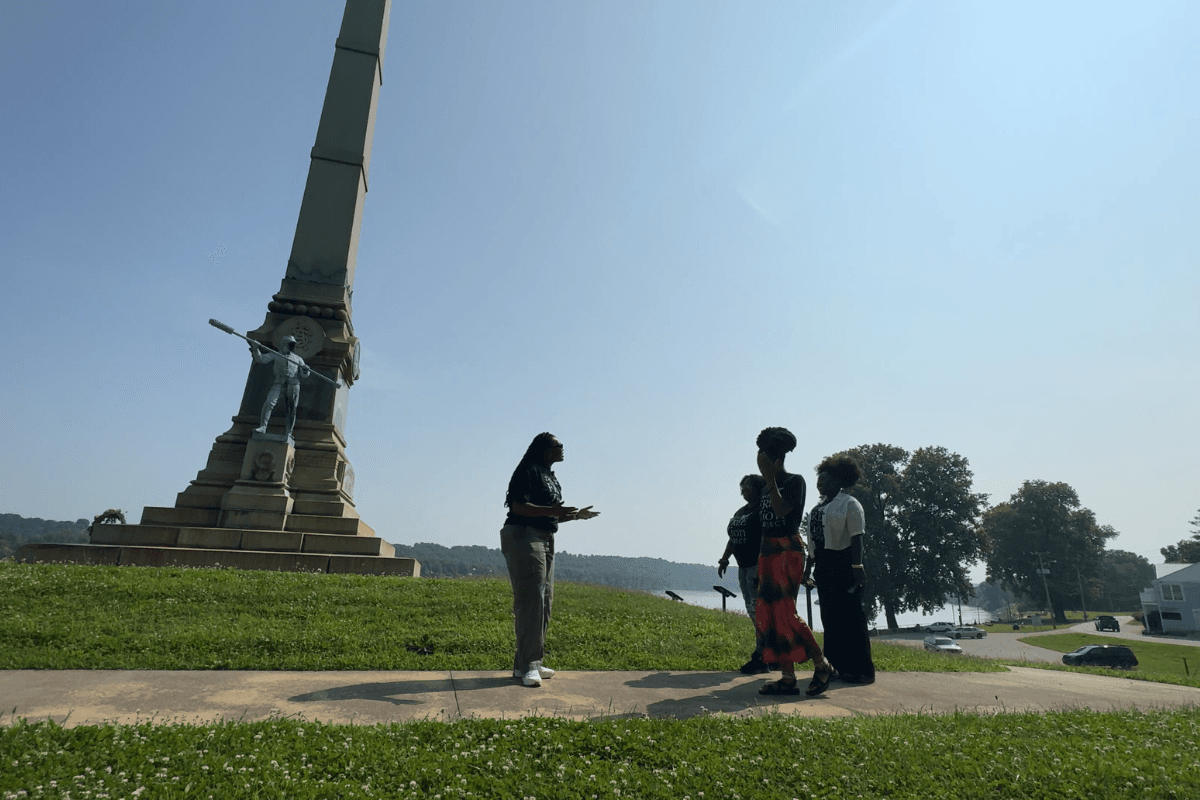
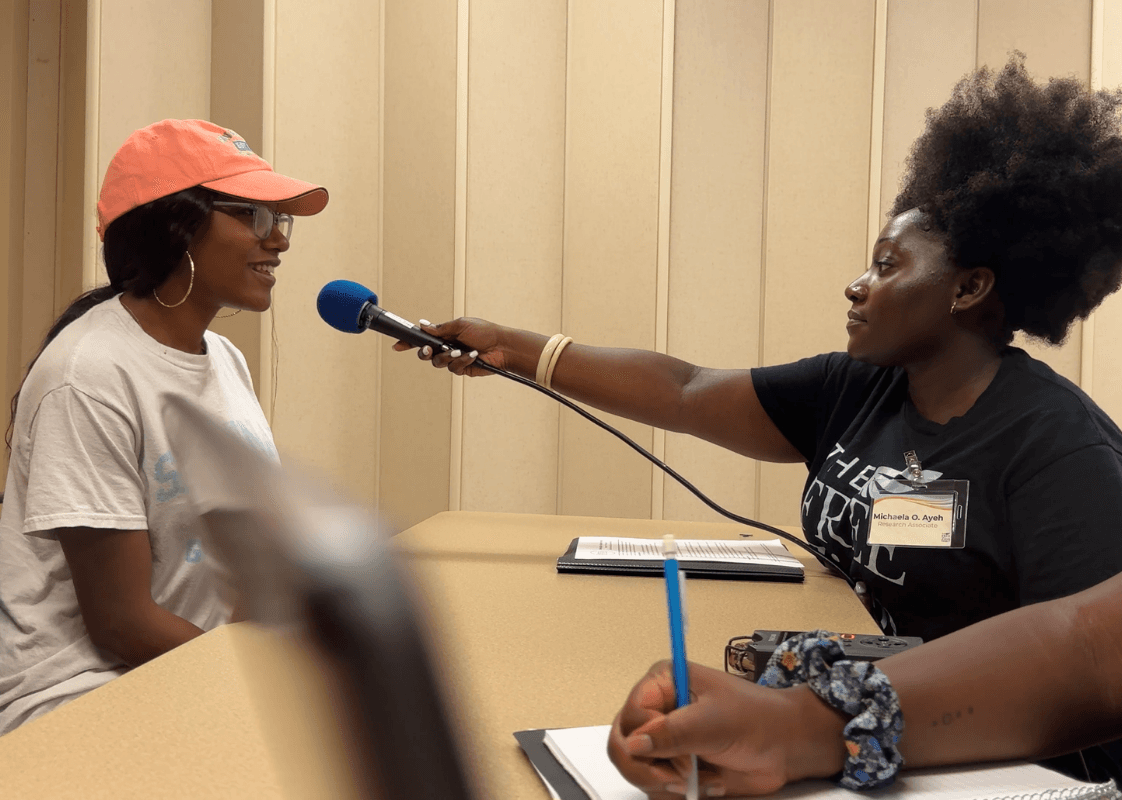
Dr. Luney and her team trained in oral history collecting, ethnographic interviewing, archival presentation, and more. With assistance from the College’s own folklorist, Emily Hilliard, as well as Loyal Jones Appalachian Center (LJAC) director Chris Miller, students learned how to scan old documents, record interviews, and properly photograph three-dimensional objects using professional equipment.
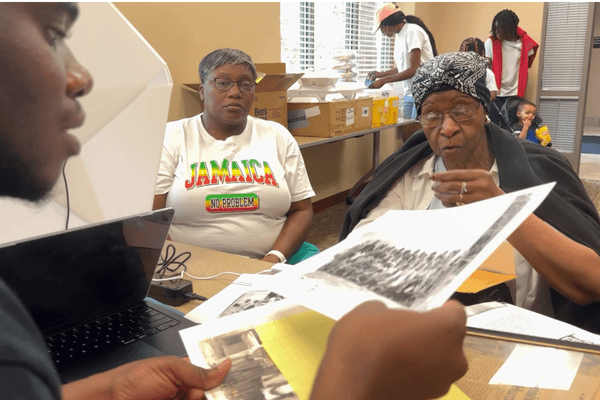
Once trained, the students led Community Archive Days in Zion. People brought all sorts of things to be documented—items that were saved and cherished, such as newspaper clippings, school report cards, and other keepsakes that tell the story of community and families. With the permission of community members, students carefully scanned or photographed these items into their digital database.
Students also helped design the Zion Freedom School courses, including the very first one: Black History 101, which aims to teach students about both general Black history as well as the personal histories of their families and community. Other courses offered include Living History and the Scholar Studies Tutoring Service.
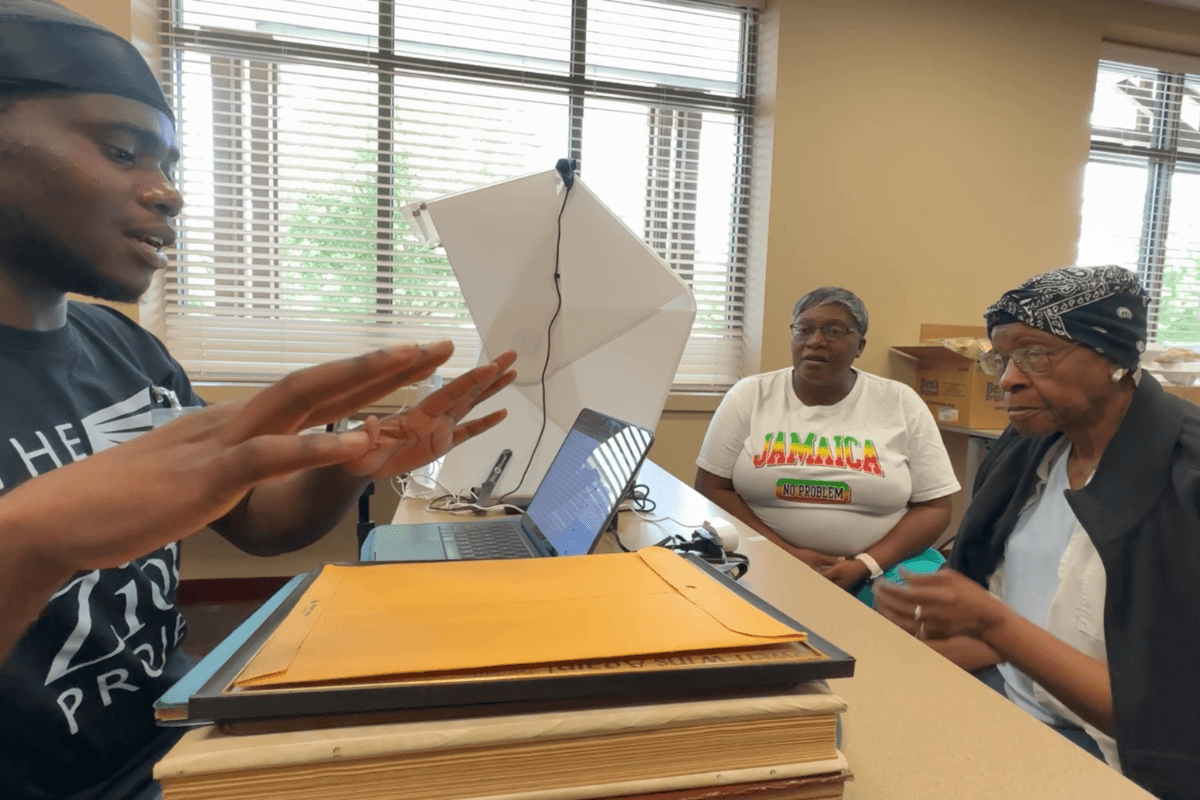
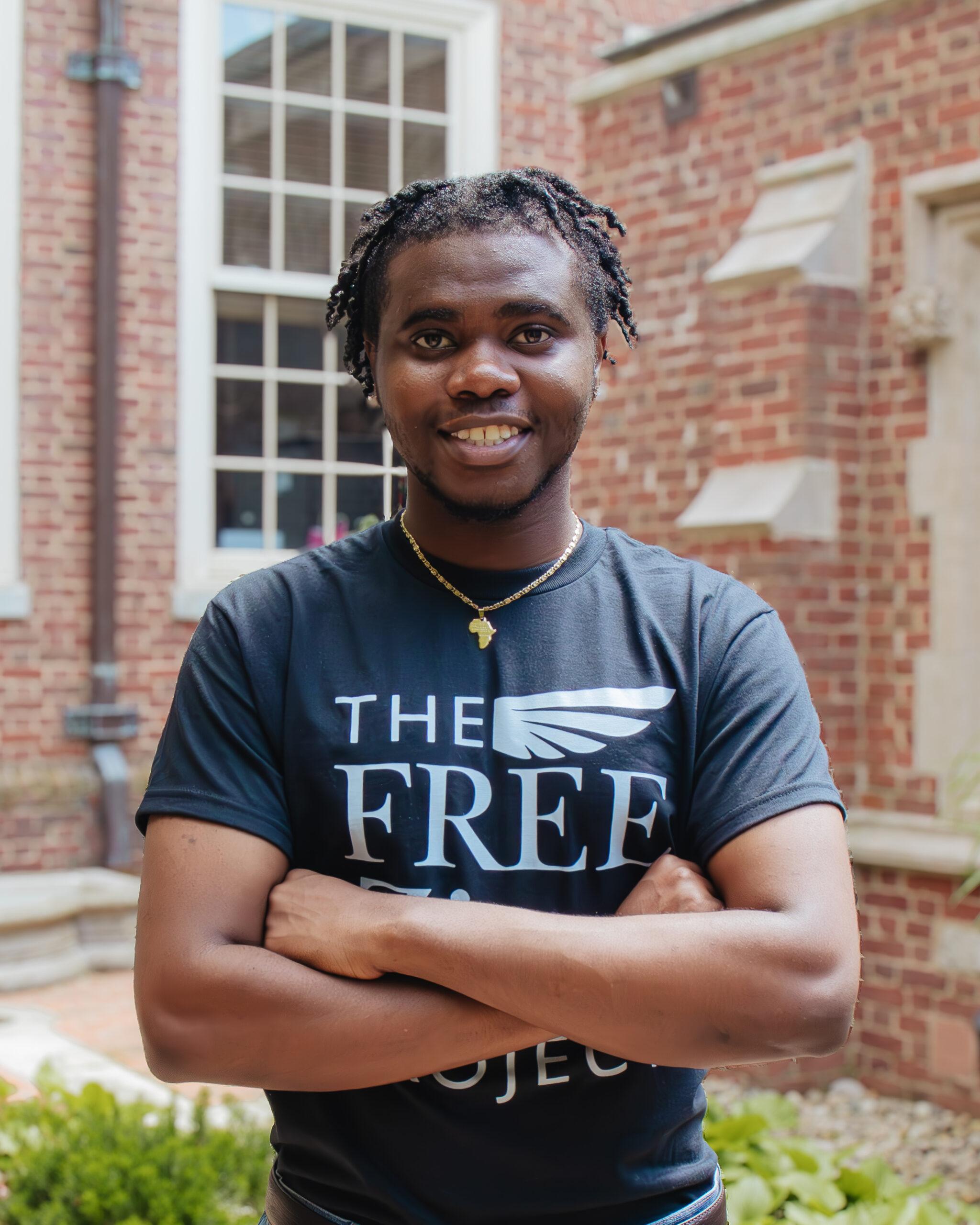
The Berea students themselves were the greatest strength of FREEdom Summer 2025. They came from many different regions and backgrounds—some were African or African American, some were first-generation college students, some were native Kentuckians while others had never been to Kentucky before coming to Berea. Together, they built lesson plans for a curriculum that will educate and empower for years to come.
“I wanted to go out and pour myself into these communities, but I didn’t know how. Berea presented me with that opportunity. URCPP was truly an opportunity of a lifetime,” said Brooklyn ’27. Berea gave Brooklyn the resources she needed to make a positive impact.
Just like her, Providence ’28 came to Berea looking for ways to fuel his passion for community outreach. He needed a path through which he could combine service with long-lasting impact and meaning. That’s when Dr. Luney told him about The FREE Zion Project.
“After the summer, the only thing in my mind was, ‘I want to do more.’ I want to do more research that is engaged and is good, that really has the people and their need at the center of the work that’s being done,” said Providence. “I don’t think I would have had this opportunity somewhere else.”
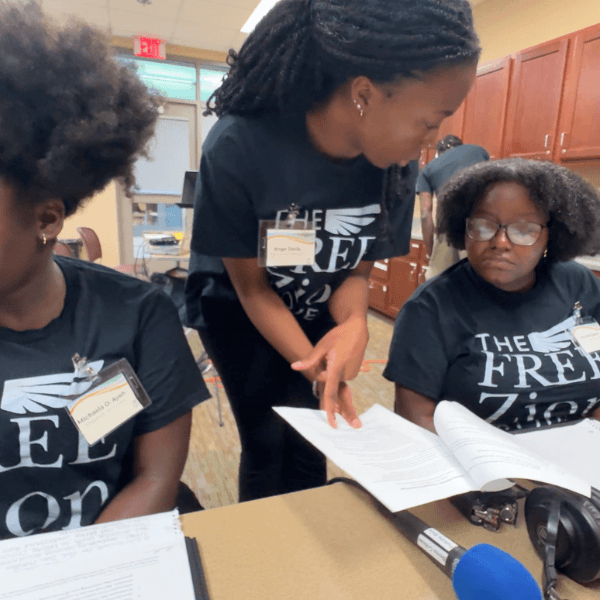
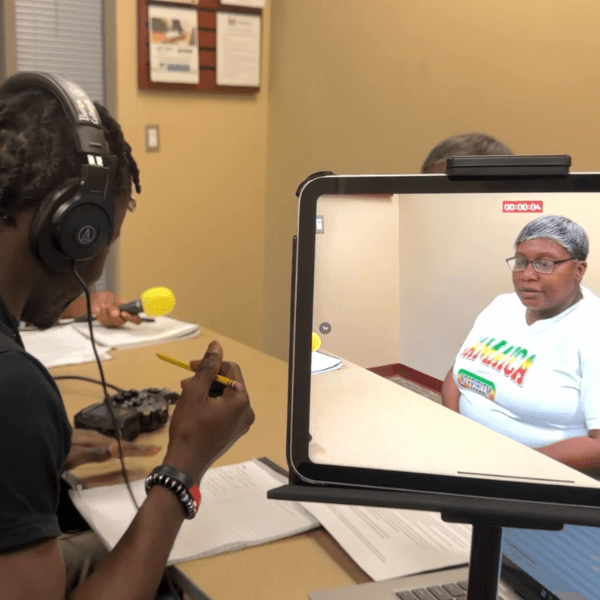
FREEdom Summer is an opportunity for students to take the ideas and methods they’ve been learning in their classes and apply them to the world in a way that matters. And in time, Dr. Luney hopes, they’ll use these new skills to enrich the Berea community and give back to their own hometowns.
Like last summer, and the summer before that, FREEdom Summer continues in 2026 with some new additions to the research team. Ensuring that their movement will sustain for years to come, Dr. Luney and her students carry on with their work, creating the tools for Zion Freedom School’s learners to get an education grounded in family, memory, local history, and cultural pride.
If you would like to learn more about the FREE Zion Project, click here.